How Janitorial Services Can Benefit Your Business in Liberal, KS
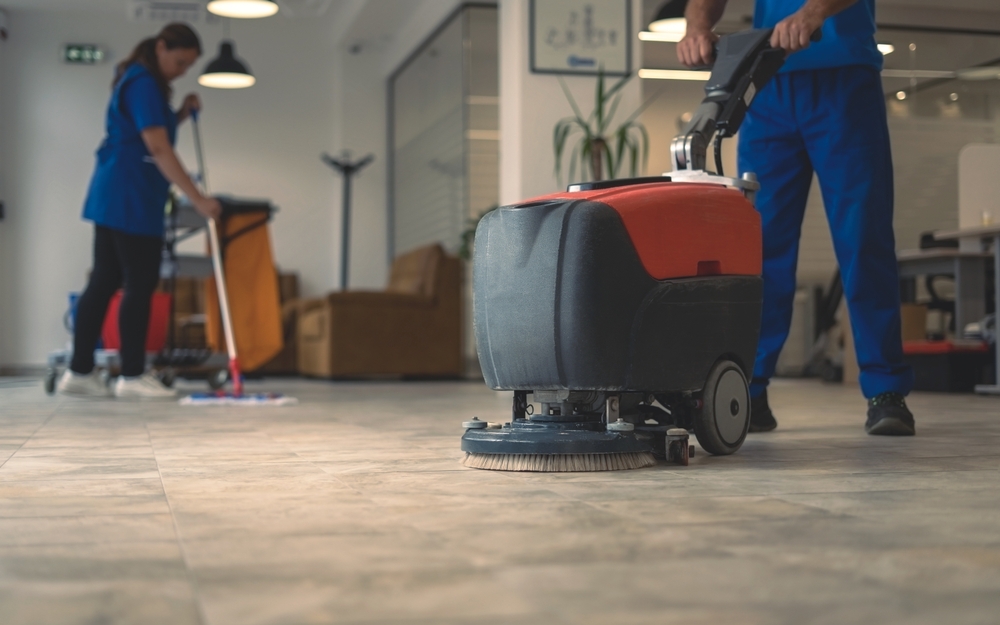
Keeping a commercial property clean can be challenging when employees, customers, deliveries, and Southwest Kansas conditions continually bring dirt and debris indoors. For businesses in Liberal, KS, routine janitorial service can help maintain a cleaner, more welcoming workplace without shifting daily cleaning responsibilities onto employees.

Quick answer: Janitorial services benefit local businesses by providing consistent cleaning for floors, restrooms, work areas, common spaces, and other frequently used surfaces. A planned cleaning schedule can help businesses maintain a professional appearance, address recurring dust and debris, support day-to-day workplace cleanliness, and allow employees to concentrate on their primary responsibilities rather than routine facility cleaning.

What local business owners should know

  • Regular janitorial service creates a predictable cleaning routine instead of relying on occasional cleanup when a facility begins looking dirty.

  • Southwest Kansas wind and outdoor dust can make entryways and flooring recurring maintenance concerns.

  • Businesses near busy commercial corridors such as U.S. 54 and U.S. 83 may deal with frequent customer, employee, and delivery traffic.

  • Cleaning needs vary considerably between offices, retail spaces, medical facilities, educational settings, and other commercial properties.

  • A useful janitorial plan should match the facility’s traffic, operating hours, surfaces, and most frequently used spaces.

Why Do Janitorial Services Matter for Businesses in Liberal?

Janitorial services matter for businesses in Liberal because commercial facilities need consistent attention to floors, restrooms, work areas, entrances, and shared spaces. Regular service helps prevent routine dirt and debris from becoming a larger maintenance burden while supporting the clean, professional environment customers and employees expect.

Local conditions add another consideration. Liberal sits in Southwest Kansas at the intersection of U.S. 54 and U.S. 83, and businesses serve residents, travelers, employees, and customers moving through the community. From downtown properties to facilities near major transportation corridors, foot traffic can quickly affect floors and entrances.

Sparkle Janitorial Services helps businesses address recurring commercial cleaning needs. We can focus janitorial attention on the areas that require regular care so business owners and employees can focus on operating the business.

What Do Local Conditions Mean for Commercial Cleaning?

Local conditions mean commercial cleaning should account for outdoor debris, traffic patterns, changing weather, and the way each building is used. In Southwest Kansas, wind can contribute to dust and debris around entrances, while busy facilities may require more frequent attention to floors and high-use areas.

The National Weather Service forecast office regularly tracks windy conditions in the region, making tracked-in dirt a practical consideration rather than just a cosmetic one. Local businesses also operate in many different environments, from downtown commercial properties to facilities around Kansas Avenue and the U.S. 54 and U.S. 83 corridors.

The right cleaning frequency therefore depends on actual facility conditions rather than a one-size-fits-all schedule.

How Can Janitorial Cleaning Affect Your Business?

Janitorial cleaning can affect a business by improving everyday appearance, reducing cleaning distractions for employees, and keeping commonly used areas on a consistent maintenance schedule. A cleaner facility can also help businesses make a better first impression when customers, vendors, applicants, or other visitors walk through the door.

Consider what visitors see first. An entryway with dirty floors, overflowing waste containers, or visibly neglected surfaces can shape their perception before a conversation even begins.

For employees, routine cleaning also means fewer situations where staff members have to interrupt their normal responsibilities to empty trash, clean a restroom, or address a dirty common area.

What Are the Signs Your Business May Need Janitorial Services?

The clearest signs that your business may need janitorial services are recurring cleanliness problems that employees cannot consistently manage alongside their regular work. A facility does not have to be severely dirty before scheduled professional cleaning becomes useful.

Watch for signs such as:

  • Dust repeatedly collecting on desks, ledges, fixtures, or other surfaces

  • Floors looking dirty soon after occasional cleaning

  • Entryways regularly collecting soil or outdoor debris

  • Restrooms requiring more frequent attention

  • Trash containers filling faster than employees can manage them

  • Break rooms or shared spaces becoming difficult to maintain

  • Employees routinely stopping their normal work to clean

  • Cleaning quality varying significantly from one day or week to another

Recurring problems usually indicate that the facility needs a more structured cleaning schedule.

When Should You Call a Professional Janitorial Service?

You should consider professional janitorial service when routine cleaning is interfering with employee responsibilities, becoming inconsistent, or requiring more time and equipment than your team can reasonably provide. Employees can handle small spills and immediate tidying, but maintaining an entire commercial property is a different responsibility.

A professional service becomes particularly useful for businesses with frequent visitors, multiple restrooms, large floor areas, busy entrances, or cleaning needs outside normal operating hours.

For a Liberal, KS business, cleaning frequency should reflect building size, traffic, operating schedule, and the amount of outdoor debris entering the property.

What Common Factors Make Commercial Properties Harder to Keep Clean?

The most common factors that make commercial properties harder to keep clean are foot traffic, outdoor debris, shared spaces, inconsistent cleaning schedules, and facility-specific demands. Local businesses often experience several of these factors at once, which can make occasional cleaning inadequate.

1. Foot traffic: Customers and employees continually carry dirt onto flooring.

2. Wind and outdoor debris: Southwest Kansas weather can contribute to dust around doors and entry areas.

3. Shared facilities: Restrooms, break rooms, reception areas, and hallways receive repeated use throughout the day.

4. Irregular cleaning: Waiting until an area visibly needs attention allows routine work to accumulate.

5. Business-specific needs: An office, retail location, educational facility, and other commercial space will not necessarily require the same cleaning routine.

How Can Businesses Prevent Cleaning Problems From Building Up?

Businesses can prevent cleaning problems from building up by combining simple daily habits with a consistent janitorial schedule. The goal is to address routine dirt and waste before it becomes noticeable enough to affect the appearance or usability of the facility.

Employees can help by cleaning spills promptly, keeping personal work areas organized, and reporting facility problems when they occur. Entry mats can also help capture some debris before it travels farther into a building.

Professional janitorial service can then handle recurring tasks according to an appropriate schedule. Seasonal changes are a good time to reassess that schedule, especially when changing weather or business activity affects building traffic.

What Results Can You Expect From Regular Janitorial Service?

Regular janitorial service should provide greater consistency, a more orderly appearance, and fewer routine cleaning responsibilities for employees. The exact results depend on the facility, cleaning frequency, traffic level, surfaces, and services included in the cleaning plan.

The biggest advantage is predictability. Instead of waiting for trash, dust, floors, or restrooms to become obvious problems, businesses can establish a routine for maintaining them.

That consistency can be particularly valuable for customer-facing properties where appearance matters every day rather than only before an important visit.

What Cleaning Mistakes Should Local Businesses Avoid?

Local businesses should avoid treating cleaning as an occasional reaction instead of an ongoing facility responsibility. Small maintenance shortcuts can eventually create more work, especially in high-traffic commercial spaces.

Mistake: Waiting until floors visibly look dirty.
Consequence: Dirt and debris receive more time to spread through the facility.
Better approach: Use a cleaning frequency based on actual traffic.

Mistake: Assigning major cleaning duties to unrelated employees.
Consequence: Cleaning can become inconsistent and distract from normal responsibilities.
Better approach: Define who is responsible for routine facility care.

Mistake: Using the same schedule year-round without review.
Consequence: The plan may not reflect seasonal conditions or changing business activity.
Better approach: Reevaluate cleaning needs periodically.

What Is a Common Local Cleaning Scenario?

A common local scenario is a commercial property where outdoor debris first appears around the entrance and then gradually spreads to hallways, customer areas, and employee spaces. Staff members may sweep or spot-clean occasionally, but the same problem returns because there is no consistent facility-wide routine.

A scheduled janitorial plan can address the entryway while also covering the interior spaces that need recurring attention. Rather than repeatedly reacting to individual problem areas, the business gains a more organized approach to maintaining its property.

What Janitorial Services Can Support a Cleaner Workplace?

Janitorial services can support a cleaner workplace by addressing recurring facility needs such as floors, restrooms, trash, common areas, and other routinely used spaces. The appropriate service plan depends on the property, which is why businesses should identify their priorities before deciding how frequently cleaning is needed.

At Sparkle Janitorial Services, we can discuss the needs of your commercial space and determine which areas require regular attention.

How Do DIY Cleaning and Professional Janitorial Service Compare?

DIY cleaning works best for minor daily tidying, while professional janitorial service is better suited to businesses that need consistent, scheduled facility cleaning. The right choice depends on building size, employee availability, customer traffic, cleaning expectations, and how much time routine maintenance requires.

Small immediate tasks can still be handled internally. The problem arises when employees become responsible for substantial cleaning in addition to their actual jobs.

Professional service creates clearer responsibility and a repeatable schedule, making it easier for managers to know how routine cleaning will be handled.

What Areas Does Sparkle Janitorial Services Serve?

Our janitorial services support businesses in Liberal, KS and the surrounding area based on service availability. Liberal is the Seward County seat and serves as an important commercial center near the Oklahoma state line and the U.S. 54 and U.S. 83 corridors.

For availability outside the primary area, contact us to confirm whether your property falls within our current service range.

What Can Happen If Routine Cleaning Is Ignored?

Ignoring routine cleaning can allow dirt, waste, and neglected high-use areas to become increasingly noticeable and time-consuming to address. For local businesses, that can affect workplace appearance, consume employee time, and make it harder to keep customer-facing spaces consistently presentable.

The cost is not limited to appearance. Managers may find themselves repeatedly redirecting employees toward cleanup tasks, while larger cleaning jobs accumulate because smaller ones were postponed.

Frequently Asked Questions About Janitorial Services

How often should a business in Liberal, KS schedule janitorial cleaning?

The right janitorial frequency depends on the building’s size, daily traffic, operating hours, number of employees, and types of spaces being cleaned. A lightly used office may have different requirements from a busy customer-facing facility. Reviewing how quickly floors, restrooms, trash, and common areas need attention can help establish an appropriate schedule.

Does Southwest Kansas weather affect commercial cleaning needs?

Yes, Southwest Kansas weather can affect commercial cleaning needs because wind and changing outdoor conditions influence how much dust and debris reaches building entrances. Businesses can reduce some tracked-in material with entrance mats and routine upkeep, but frequently used facilities may still benefit from scheduled floor and entryway cleaning.

Can janitorial service help employees stay focused on their jobs?

Yes, janitorial service can reduce the amount of routine facility cleaning employees are expected to handle. Small spills and personal workspace tidying may still be reasonable internal tasks, but recurring cleaning of floors, restrooms, trash, and common areas can consume time that employees could otherwise spend on their primary responsibilities.

What types of businesses can use janitorial services in Liberal?

Many types of commercial properties can benefit from janitorial service, including offices, retail spaces, professional facilities, and other workplaces with recurring cleaning needs. The appropriate approach depends on how each property operates. Businesses around downtown, Kansas Avenue, and other commercial areas may all require different schedules based on traffic and building use.

Why are entrances especially important for businesses in Seward County?

Entrances deserve special attention because they are both a first impression and a primary route for outdoor dirt entering a facility. In Seward County, windy conditions can add to routine dust and debris concerns. Maintaining mats and scheduling entry-floor cleaning can help limit how far material travels into customer and employee areas.

Should employees handle janitorial cleaning themselves?

Employees can reasonably handle immediate tidying and small spills, but substantial recurring facility cleaning may be better assigned to a dedicated service. When employees regularly have to clean restrooms, floors, trash areas, and shared spaces, businesses should consider whether those responsibilities are interfering with the work employees were actually hired to perform.

Do high-traffic businesses need more frequent cleaning?

High-traffic businesses often need more frequent cleaning because every additional customer, employee, vendor, or delivery can contribute to floor soil, waste, and use of shared facilities. A business near Liberal’s major commercial and transportation routes should base cleaning frequency on actual traffic patterns rather than automatically choosing a standard schedule.

How do I choose a janitorial schedule for my Liberal business?

Choose a janitorial schedule by evaluating how quickly key areas become dirty and which spaces matter most to daily operations. Start with entrances, floors, restrooms, waste containers, break areas, and customer-facing spaces. From there, determine whether cleaning is needed daily, several times per week, or on another recurring schedule.

Keep Your Liberal Business Clean and Ready for the Workday

A consistent janitorial plan can help local businesses maintain cleaner, more presentable facilities without making routine commercial cleaning another responsibility for employees. We can help you evaluate your facility’s recurring cleaning needs and establish a practical service plan.

Give Your Business a Cleaner, More Consistent Workplace

Get a janitorial plan built around the needs of your local commercial property.
Choosing the Right Cleaning Schedule for Your Country Club

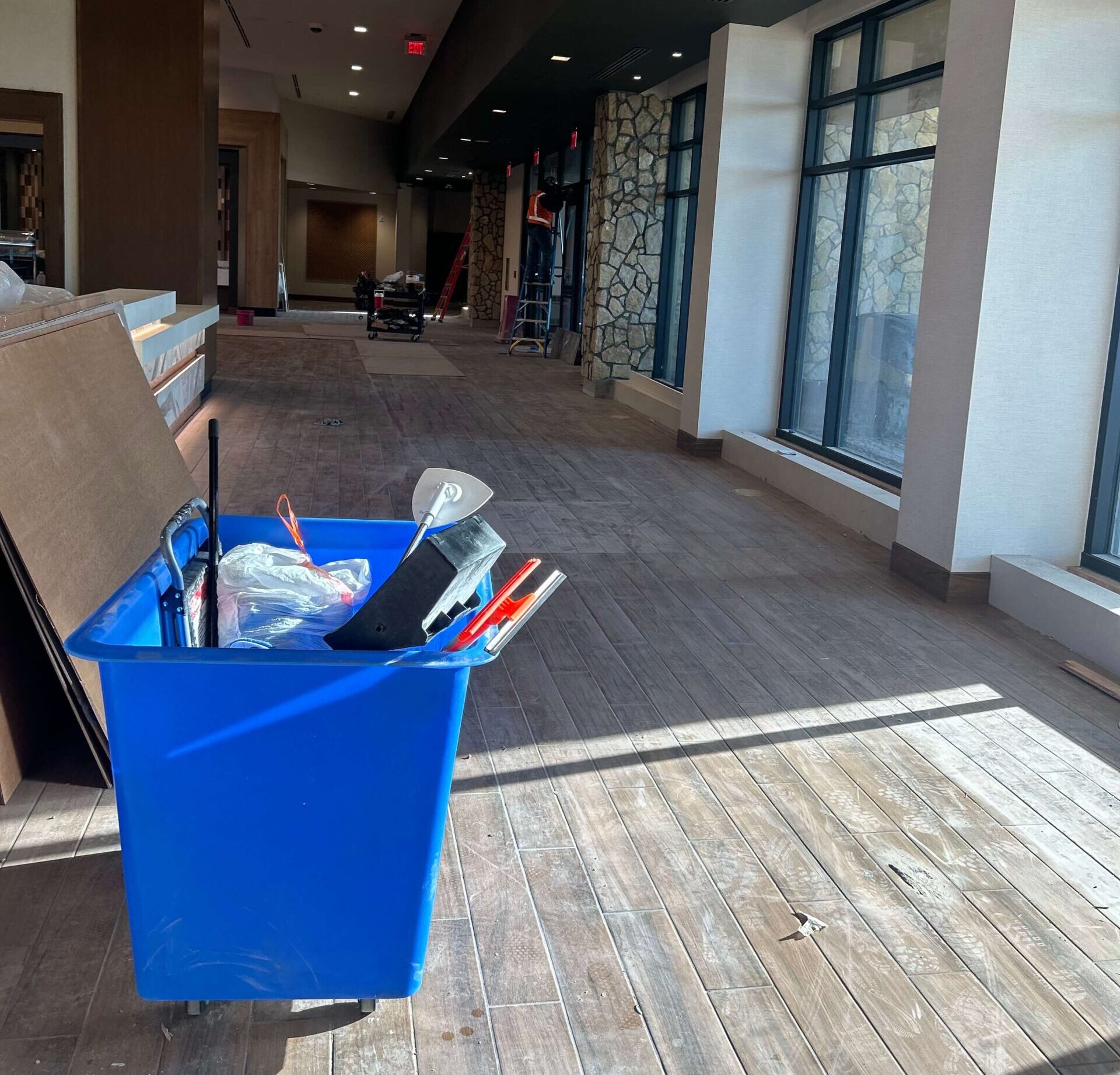
Country clubs thrive on first impressions. From spotless locker rooms to polished dining areas and pristine event spaces, cleanliness directly shapes the experience members and guests have every day. For country clubs in Liberal, Kansas, seasonal weather, frequent events, and steady member traffic all play a role in determining how often different areas should be cleaned.

Quick Answer

The right cleaning schedule for a country club depends on member traffic, facility usage, seasonal events, and the types of spaces within the property. High-traffic areas typically require daily or multiple daily cleanings, while offices, meeting rooms, and specialty spaces may only need weekly or scheduled maintenance. A customized cleaning plan helps maintain a professional appearance while protecting surfaces and reducing long-term maintenance costs.

What Local Country Clubs Should Know

Why This Matters Locally

Choosing the right cleaning schedule is especially important for country clubs in Liberal and throughout Seward County. Dust from surrounding agricultural areas, changing Kansas weather, and heavy seasonal activity all contribute to increased wear inside club facilities. Members expect a consistently clean environment whether they’re arriving for an early golf round, dining with friends, or attending a formal event.

Sparkle Janitorial Services understands these local challenges. We work with businesses throughout the area to create cleaning schedules that match real operational needs instead of relying on one-size-fits-all plans.

Local Field Observations

Based on our experience serving commercial properties throughout southwest Kansas, facilities often see noticeable increases in dirt and debris during windy periods and seasonal weather changes. Entryways, golf pro shops, dining areas, and locker rooms typically require more frequent attention during busy tournament seasons and community events.

Rather than waiting until surfaces appear dirty, routine cleaning helps maintain a consistently welcoming environment while reducing long-term maintenance requirements.

How Cleaning Frequency Impacts Your Country Club

A well-planned cleaning schedule keeps every part of the club ready for members and guests throughout the day. It also provides several operational benefits.

Warning Signs Your Cleaning Schedule Needs Adjustment

Your current cleaning schedule may no longer be sufficient if you notice:

When Professional Cleaning Becomes the Better Option

Professional cleaning becomes the better option when routine maintenance begins interfering with daily operations or when consistent quality becomes difficult to maintain.

Country clubs often have multiple specialized spaces including:

Each area has different cleaning requirements, making customized scheduling more effective than assigning the same frequency across the entire property.

Common Factors That Affect Cleaning Frequency

Several local factors influence how often a country club should be cleaned.

Member Traffic

Daily member activity directly affects how quickly surfaces become dirty, especially in entrances, restaurants, lounges, and locker rooms.

Special Events

Weddings, tournaments, holiday parties, charity events, and corporate gatherings can significantly increase cleaning needs before, during, and after each event.

Seasonal Weather

Southwest Kansas experiences strong winds, changing temperatures, and periods of dry weather that bring additional dust indoors.

Facility Amenities

Pools, fitness centers, banquet halls, and food service areas all require different cleaning schedules based on health standards and usage levels.

Prevention Through Consistent Maintenance

Preventative cleaning is generally more cost-effective than reactive cleaning. A structured schedule helps prevent excessive buildup that can damage flooring, upholstery, and finishes.

Helpful maintenance practices include:

What You Can Expect From a Customized Cleaning Schedule

A customized schedule provides consistency without unnecessary services.

Depending on facility needs, a schedule may include:

The goal is maintaining cleanliness while minimizing disruption to members.

Common Cleaning Schedule Mistakes

Cleaning Every Area the Same Way

Different spaces experience different traffic levels. Locker rooms need more attention than conference rooms.

Waiting Until Problems Appear

Delaying service often results in more difficult and expensive cleaning later.

Ignoring Seasonal Changes

Cleaning needs during tournament season may differ significantly from slower winter months.

Overlooking High-Touch Surfaces

Door handles, counters, railings, and shared equipment require more frequent sanitizing than many facilities schedule.

A Common Local Scenario

Imagine a country club near Liberal preparing for a weekend golf tournament followed by a wedding reception. Hundreds of guests move through the clubhouse over two days, increasing demand on restrooms, dining spaces, entrances, and event areas.

A flexible cleaning schedule allows additional service before the event begins, touch-up cleaning during activities, and thorough cleaning afterward, helping maintain the club’s appearance throughout the busy weekend.

Related Cleaning Services That Support Country Clubs

Country clubs often benefit from combining several commercial cleaning services, including:

Contact us to discuss a customized cleaning schedule

Comparing Cleaning Schedule Options

Schedule Best For Considerations
Daily Cleaning High-traffic public areas Maintains consistent appearance
Weekly Cleaning Offices and low-use spaces Supports routine maintenance
Event-Based Cleaning Weddings and tournaments Provides flexibility during busy periods
Customized Schedule Full country club operations Balances cleanliness with operational efficiency

Service Areas

We proudly serve businesses in Liberal as well as nearby communities throughout Seward County and surrounding southwest Kansas. Whether your facility hosts daily member activities or seasonal events, we can help create a cleaning schedule that fits your needs.

The Cost of Waiting Too Long

Delaying routine cleaning can lead to faster wear on flooring, more difficult stain removal, unpleasant odors, and higher maintenance expenses over time. Consistent cleaning helps protect both the appearance and longevity of your facility.

Schedule a consultation today

Frequently Asked Questions

How often should a country club in Liberal be professionally cleaned?

Daily cleaning is recommended for high-traffic areas, while less frequently used spaces may only require weekly service. A customized schedule typically provides the best balance for country clubs in Liberal.

Does Kansas weather affect commercial cleaning schedules?

Yes. Wind, dust, and seasonal weather throughout southwest Kansas often increase the need for entryway, floor, and surface cleaning to keep facilities looking their best.

Should locker rooms be cleaned more often than other areas?

Yes. Locker rooms experience high moisture levels and frequent use, making them one of the highest-priority spaces for regular cleaning and sanitation.

Can cleaning schedules change during tournament season?

Yes. Many country clubs increase cleaning frequency during golf tournaments, weddings, holiday events, and other periods of heavy member and guest traffic.

What areas require the most attention in a country club?

Entrances, restrooms, dining areas, locker rooms, fitness facilities, and event spaces generally require the most frequent cleaning due to daily use.

Is a customized cleaning schedule better than a standard plan?

Yes. Every country club has different operating hours, amenities, and traffic patterns. A customized schedule focuses cleaning efforts where they provide the greatest value.

Keep Your Country Club Looking Its Best Year-Round

A clean, welcoming country club reflects the quality of the member experience. With a cleaning schedule designed around your facility’s unique needs, you can maintain consistently high standards while protecting your investment for years to come.

Create a Cleaning Plan That Fits Your Facility

Our team is ready to help you develop a commercial cleaning schedule tailored to your country club’s operations, events, and seasonal demands.

Contact us today

5 Common Cleaning Mistakes Businesses Make and How to Avoid Them

Keeping a commercial space clean sounds straightforward, but many businesses unknowingly fall into habits that compromise hygiene, damage surfaces, and waste money. Whether you manage a small office or a large facility, understanding commercial cleaning mistakes is the first step toward building a cleaner, healthier workplace. The good news is that most of these errors are easy to correct once you know what to look for.

Here are five of the most common pitfalls and how to avoid them.

1. Using the Wrong Cleaning Products for the Job

One of the most widespread commercial cleaning mistakes is reaching for whatever product is available without considering whether it is appropriate for the surface being cleaned. Using a harsh chemical cleaner on a delicate floor finish, for example, can cause permanent damage and lead to costly repairs or replacements. On the flip side, using a mild cleaner on heavily contaminated surfaces can leave behind harmful bacteria and give a false sense of cleanliness.

Cleaning best practices require matching products to surfaces. Every facility should maintain a product inventory that specifies which cleaners are approved for each surface type, from carpet and tile to stainless steel and glass. Training staff to follow product labels is equally important, since misuse of cleaning agents is a leading cause of surface damage and ineffective sanitation. When in doubt, consult with a professional janitorial supplier who can recommend commercial-grade solutions suited to your specific environment.

It is also worth investing in eco-friendly or low-toxicity products where possible. These alternatives are gentler on surfaces, safer for employees and customers, and better for the environment without sacrificing cleaning power.

2. Neglecting a Consistent Cleaning Schedule

Another major source of commercial cleaning mistakes is the lack of a structured routine. Many businesses clean reactively, only addressing messes when they become visible or when complaints arise. This approach allows dirt, dust, and germs to accumulate in ways that are not always obvious but are still harmful to indoor air quality and overall hygiene.

Janitorial tips from industry professionals consistently emphasize the importance of a written cleaning schedule. This schedule should outline daily, weekly, and monthly tasks for each area of the facility. Daily tasks might include wiping down high-touch surfaces like door handles, light switches, and shared equipment. Weekly tasks could involve deeper floor care and restroom disinfection. Monthly tasks might include cleaning vents, laundering mop heads, and inspecting cleaning equipment for wear.

Consistency is the backbone of any effective cleaning program. When tasks are documented and assigned to specific team members or contractors, nothing gets overlooked. A schedule also makes it easier to hold cleaning staff accountable and identify gaps in the routine before they become serious problems. Businesses that commit to a regular schedule almost always report cleaner facilities, fewer sick days among employees, and higher satisfaction from clients and visitors.

3. Overlooking High-Touch and Hidden Areas

Most people think of cleaning as taking care of floors, counters, and visible surfaces. However, some of the most contaminated spots in any commercial space are the ones that rarely get attention. This oversight is a significant contributor to the spread of illness in workplace environments.

Cleaning best practices demand that high-touch areas receive daily disinfection. Think about how many hands touch a communal printer, an elevator button, a break room faucet, or a shared phone throughout the day. Each of these surfaces can harbor bacteria and viruses long after the person who contaminated them has gone home.

Hidden areas are just as important. Baseboards, the undersides of desks, chair legs, ceiling fans, and the space behind appliances can collect dust and allergens over time. Air vents are especially problematic; when they go uncleaned, they circulate dusty, contaminated air throughout the entire building. Janitorial tips for addressing these areas include adding them to a rotation schedule rather than waiting for visible buildup to appear.

Training cleaning staff to think beyond the obvious surfaces is one of the most cost-effective investments a business can make. A thorough walkthrough of the facility with a checklist can help identify areas that have been consistently missed and ensure they are incorporated into the regular cleaning routine going forward.

4. Improper Dilution and Use of Cleaning Solutions

Many commercial cleaning products are concentrates that must be diluted with water before use. One of the most underappreciated janitorial tips is that getting this ratio right matters enormously. Using too much product does not make a surface cleaner; it leaves behind a residue that can attract more dirt, create slippery conditions, and expose staff and customers to unnecessary chemical contact. Using too little product renders the solution ineffective and fails to meet sanitation standards.

This error is often rooted in a lack of training. Cleaning staff who are handed a bottle of concentrate without proper instruction will naturally guess at the ratio, which leads to inconsistent results. Businesses should invest in proper dispensing systems or clearly labeled dilution charts that are posted in supply areas and break rooms used by the cleaning team.

Beyond dilution, there is the issue of dwell time. Many disinfectants require a certain amount of time on the surface to actually kill pathogens. Wiping a surface immediately after applying a disinfectant spray defeats the purpose entirely. Cleaning best practices include training staff to apply the product, allow it to sit for the recommended dwell time (which is usually listed on the product label), and then wipe it away. This small change in technique can dramatically improve the sanitation outcomes across your entire facility.

Another common error tied to this category is mixing cleaning products. Combining bleach with ammonia-based cleaners, for instance, can create toxic fumes that are dangerous in enclosed spaces. Strict protocols around chemical storage and usage are a non-negotiable part of any responsible commercial cleaning program.

5. Failing to Maintain Cleaning Equipment

Even the best cleaning products will deliver poor results if the tools being used are dirty or worn out. Mops, brushes, vacuums, and microfiber cloths all have a lifespan, and using them beyond that point can actually spread contaminants rather than remove them.

A dirty mop is one of the most common culprits behind commercial cleaning mistakes. When a mop is not properly rinsed, dried, and stored between uses, it becomes a breeding ground for bacteria. The next time it is used, those bacteria are distributed across the floor rather than removed from it. The same logic applies to vacuum filters that are never changed, spray bottles that are never sanitized, and microfiber cloths that are laundered incorrectly or reused too many times without washing.

Janitorial tips for equipment maintenance include establishing a replacement schedule for consumable supplies and a cleaning routine for reusable tools. Mop heads should be laundered or replaced regularly. Vacuum filters should be checked and changed according to the manufacturer’s guidelines. Microfiber cloths should be washed separately from other linens without fabric softener, which breaks down their fibers and reduces effectiveness. Cleaning carts and supply buckets should themselves be cleaned on a regular basis, since they can become contaminated and introduce bacteria into areas that were just cleaned.

Investing in quality equipment also pays off over time. Commercial-grade tools are designed for heavy use and tend to perform better and last longer than consumer-grade alternatives. The upfront cost is usually offset by reduced product waste and more effective cleaning outcomes.

A Cleaner Business Starts with Better Habits

Avoiding these commercial cleaning mistakes does not require a major overhaul of your current operations. In most cases, it comes down to better training, more consistent routines, and a greater awareness of the areas and details that tend to get overlooked. Cleaning best practices are not complicated, but they do require intentional effort and a commitment to doing the job thoroughly rather than quickly. By addressing these five common errors, businesses of all sizes can create healthier, more welcoming environments that reflect well on their brand and protect the people who work and visit there every day.

Need Janitorial Services Near You?

There are many ways to clean, but when you want results that “Sparkle,” you call Sparkle Janitorial Services. Traditional cleaning services offer office cleanings limited to vacuuming and trash removal. Our team ensures every surface touched is treated on the regular so that it not only sparkles but also remains hygienic and appealing to your clients. Plus, all of our products and methods are environmentally responsible because we know that the choices we make today will affect the earth we live in tomorrow. Contact us today to learn more about what we can do for you!

Common Myths About Commercial Cleaning Services

There are plenty of commercial cleaning myths floating around that keep business owners from making decisions that could genuinely improve their workplaces. Whether you manage a small office or a large facility, understanding the truth behind these cleaning misconceptions can save you time, money, and a lot of unnecessary stress.

Let us break down five of the most persistent janitorial service facts versus fiction debates in the industry today.

Myth 1: Commercial Cleaning Services Are Only for Large Businesses

One of the most widespread commercial cleaning myths is the idea that professional janitorial services are designed exclusively for big corporations, sprawling office campuses, or high-traffic retail chains. Many small business owners assume that hiring a cleaning crew is simply out of their budget or unnecessary for a modest-sized space. This could not be further from the truth.

Commercial cleaning companies work with businesses of all shapes and sizes. A small dental office, a boutique retail shop, a startup with ten employees, and a mid-size accounting firm all benefit from consistent, professional cleaning. In fact, smaller businesses often have more to gain because they typically lack a dedicated facilities team to manage sanitation and upkeep internally.

Janitorial service facts consistently show that regular professional cleaning reduces employee sick days, creates a more welcoming environment for clients, and protects the longevity of flooring, furniture, and equipment. These benefits apply equally to a 500-square-foot office and a 50,000-square-foot warehouse. Many cleaning companies offer scalable packages specifically designed to meet the needs and budgets of smaller operations, so the size of your business should never be a barrier to accessing quality cleaning services.

Myth 2: You Can Get the Same Results With In-House Staff

Another deeply rooted cleaning misconception is that having your own employees handle cleaning duties is just as effective as hiring a professional service. On the surface, it might seem like a cost-saving measure to ask your receptionist to vacuum on Fridays or have the last person out wipe down the breakroom. In practice, this approach creates more problems than it solves.

First, your employees were hired for their specific skills, and cleaning is not among them. Asking non-cleaning staff to take on janitorial tasks pulls them away from their primary responsibilities and can lead to resentment or reduced morale. Second, untrained individuals are unlikely to follow the proper procedures for sanitizing high-touch surfaces, handling cleaning chemicals safely, or addressing different types of flooring and materials.

Professional cleaners are trained in industry-standard techniques and use commercial-grade equipment that delivers a deeper, more thorough clean than consumer products can provide. Janitorial service facts make clear that professional-grade disinfectants and tools eliminate a significantly higher percentage of bacteria and pathogens than standard store-bought supplies. Relying on in-house staff for commercial cleaning is not just less effective; it is also a liability risk if improper chemical use leads to damage or health concerns.

Myth 3: All Cleaning Companies Offer the Same Quality

Among the most damaging commercial cleaning myths is the belief that one cleaning company is essentially the same as another. This misconception leads many businesses to choose the cheapest option available without considering the consequences of poor service.

The reality is that the commercial cleaning industry varies enormously in terms of training standards, supervision practices, equipment quality, and service reliability. Some companies invest heavily in ongoing staff training and quality assurance programs. Others cut corners by using diluted cleaning products, skipping high-dust areas, or sending under-supervised workers who rush through jobs to hit volume targets.

Cleaning misconceptions like this one can cost businesses significantly in the long run. A facility that looks clean on the surface but has not been properly disinfected is still a breeding ground for illness. Streaky floors, lingering odors, and missed trash cans are all signs of subpar service that reflects poorly on your business to clients and employees alike.

When evaluating a commercial cleaning provider, look for companies that are insured, bonded, and transparent about their hiring and training processes. Ask for references, read reviews, and do not be afraid to conduct a walk-through with a potential provider before signing any contract. Quality varies widely, and doing your homework upfront makes all the difference.

Myth 4: Commercial Cleaning Is Bad for the Environment

Environmental concerns are increasingly top of mind for business owners, and this has given rise to another set of commercial cleaning myths centered around sustainability. The misconception here is that professional cleaning services rely on harsh, toxic chemicals that are harmful to the environment, your employees, and building occupants.

While this may have been partially true decades ago, the industry has undergone a significant transformation. Green cleaning has become a mainstream standard for reputable commercial cleaning companies. Many providers now use EPA-approved, environmentally responsible products that are effective at killing germs without releasing harmful volatile organic compounds into the air.

Janitorial service facts around green cleaning are compelling. Studies have shown that switching to eco-friendly cleaning products and practices reduces indoor air pollution, lowers the risk of chemical-related respiratory issues among employees, and decreases the environmental impact of cleaning waste. Microfiber cloths, for example, require far less water and chemical product than traditional cotton rags while providing superior surface cleaning.

If environmental responsibility is a priority for your business, you can specifically seek out cleaning companies that hold green certifications and use sustainable practices. The idea that commercial cleaning and environmental care are at odds is simply outdated. Today’s professional cleaning services can be both highly effective and genuinely eco-conscious.

Myth 5: You Only Need a Cleaning Service When Things Look Dirty

Perhaps the most deceptively harmful of all cleaning misconceptions is the idea that you should only bring in a professional cleaning crew when your space visibly needs it. If the floors look fine and the desks are not cluttered, why spend the money? This reactive mindset misses the entire point of what professional cleaning is actually for.

The surfaces in your office that look clean are often harboring the highest concentrations of bacteria and viruses. Keyboards, door handles, elevator buttons, and shared equipment are among the dirtiest surfaces in any commercial environment, yet they rarely look dirty to the naked eye. Without a consistent cleaning and disinfection schedule, pathogens accumulate silently and spread among your workforce.

Janitorial service facts are clear on this point: preventative cleaning is far more effective and economical than reactive cleaning. Regular maintenance of flooring prevents premature wear that would otherwise require costly replacement. Consistent restroom sanitation prevents the buildup of hard water stains and mold that become much more expensive to address after the fact. Ongoing dust removal from HVAC vents and air ducts preserves indoor air quality and extends the life of your climate control systems.

Waiting until things look dirty is not a cleaning strategy. It is a gamble with your employees’ health, your clients’ impressions, and the condition of your physical assets.

Conclusion

Commercial cleaning myths have a way of persisting because they often sound reasonable on the surface. But janitorial service facts consistently tell a different story. Professional cleaning is accessible to businesses of all sizes, more effective than in-house alternatives, highly variable in quality, increasingly eco-friendly, and most valuable when applied on a consistent preventative basis. Understanding these cleaning misconceptions for what they are gives you the clarity to make smarter decisions about the cleanliness and health of your workplace. Your employees, clients, and bottom line will all be better for it.

Need Janitorial Services Near You?

There are many ways to clean, but when you want results that “Sparkle,” you call Sparkle Janitorial Services. Traditional cleaning services offer office cleanings limited to vacuuming and trash removal. Our team ensures every surface touched is treated on the regular so that it not only sparkles but also remains hygienic and appealing to your clients. Plus, all of our products and methods are environmentally responsible because we know that the choices we make today will affect the earth we live in tomorrow. Contact us today to learn more about what we can do for you!

The Art of Customer Service in Janitorial Work

When most people think about janitorial work, they picture mops, vacuums, and cleaning solutions. What often gets overlooked is the human element that separates a forgettable cleaning crew from a company clients recommend to everyone they know. Customer service in cleaning is not a bonus feature; it is the foundation of a thriving janitorial business. The way your team communicates, responds, and follows through speaks louder than any marketing brochure ever could.

Building a reputation in this industry takes time, but it can be lost in a single interaction. A missed call, an unaddressed complaint, or a poorly handled walkthrough can send a long-term client straight to a competitor. On the flip side, a team that listens carefully, shows up consistently, and treats every space as if it were their own can turn a one-time contract into a decade-long partnership.

The art of customer service in janitorial work is about understanding that cleanliness is the product, but trust is the brand.

Why Communication Is the Cornerstone of Quality Janitorial Service

There is a common misconception that janitorial work is purely physical. Scrub the floors, empty the trash, wipe the counters, and move on. But any seasoned cleaning professional knows that the job begins and ends with communication. Quality janitorial service is built on clear, consistent, and honest conversations between the service provider and the client.

Before a single mop hits the floor, expectations need to be set. What areas are priorities? Are there sensitive zones that require special attention or restricted access? Does the client prefer staff to be in and out before business hours, or are evening shifts more practical? These are the kinds of questions that separate professionals from the rest. Taking the time to have an intake conversation, and then following up after the first few sessions, shows clients that their input is valued and that the team is paying attention.

Communication also means being upfront when something goes wrong. Accidents happen in this line of work. A cleaning product leaves a residue on a surface it was not meant for, or a piece of decor gets knocked over during a routine clean. How your team handles those moments defines the entire relationship. Owning mistakes quickly and offering a clear resolution builds more trust than a flawless performance ever could. Clients do not expect perfection; they expect honesty and accountability.

Regular check-ins, whether weekly emails, brief phone calls, or digital feedback forms, keep the relationship active and prevent small frustrations from becoming big problems. When clients feel heard, they stay loyal. When they feel ignored, they start shopping around.

Training Your Team to Prioritize Client Satisfaction

You can hire the most skilled cleaners in the region, but without proper training in professionalism and people skills, client satisfaction will always be inconsistent. Every member of a janitorial team is a representative of the brand, from the crew lead to the part-time hire who fills in on weekends.

Training should cover more than cleaning techniques and chemical safety. It should include how to greet building occupants, how to respond when a client or tenant raises a concern on the spot, and how to handle situations where instructions are unclear. Role-playing common scenarios during onboarding can prepare staff for the real conversations they will inevitably face.

Dress code and personal presentation matter more than many cleaning companies acknowledge. A uniformed team that looks organized and professional signals to clients that the company takes its work seriously. It also reassures building tenants and visitors who may not be familiar with the cleaning crew. First impressions happen every single time a new person walks into a space while your team is working.

Equally important is teaching staff to respect the privacy and property of every client. Janitorial teams often work in offices filled with sensitive documents, expensive equipment, and personal belongings. Training employees to keep their focus on the task, avoid touching anything outside their scope of work, and report anything unusual protects both the client and the company. Client satisfaction is deeply connected to how safe and respected clients feel in the presence of the cleaning crew.

Consistency: The Secret Ingredient Behind Long-Term Client Relationships

Ask any facility manager what they value most in a cleaning company, and the answer is almost always consistency. They are not looking for a spectacular one-time performance. They want the same high-quality results delivered every visit, every week, every year. Consistency in customer service in cleaning is what converts contracts into long-term commitments.

Consistency starts with systems. A well-run janitorial company uses checklists, inspection protocols, and scheduling tools to ensure that nothing falls through the cracks. When a task is on the checklist, it gets done regardless of which crew member shows up that day. This removes reliance on individual memory and creates a repeatable standard of quality that clients can count on.

Staff turnover is one of the biggest threats to consistency in this industry. Clients often grow comfortable with specific crew members, and when those people leave without notice or proper handoffs, trust erodes. Addressing turnover through better hiring practices, competitive pay, and a positive work environment is not just good business; it is a direct investment in client satisfaction. A happy team delivers better, more consistent service.

Routine quality audits are another powerful tool. Supervisors who periodically inspect completed work, solicit client feedback, and compare results against the agreed scope of work can catch issues early. This proactive approach tells clients that the company cares about outcomes, not just showing up.

Handling Complaints Gracefully to Strengthen Client Satisfaction

No matter how skilled or diligent a janitorial team is, complaints will happen. A client will feel that a restroom was not cleaned thoroughly enough, or that a recurring issue was not resolved despite being mentioned before. How these complaints are handled can either deepen the client relationship or end it.

The first rule of complaint management is speed. When a client raises a concern, acknowledge it the same day if possible. A delayed response signals indifference, and in a competitive market, indifference is costly. A simple message confirming that the complaint has been received and is being addressed can de-escalate frustration before it builds.

The second rule is listening without defensiveness. It is natural to want to explain or justify what the team did, but doing so too quickly can make the client feel dismissed. Let them fully describe the issue, ask clarifying questions, and then explain the plan to make it right. Clients who feel genuinely heard are far more likely to stay with a company after a problem than clients who feel they had to fight to be taken seriously.

Following up after resolving a complaint is a step that many janitorial companies skip, but it is one of the most powerful moves a company can make. A brief message asking whether the issue was resolved to the client’s satisfaction closes the loop and communicates that their experience matters beyond just fixing the immediate problem. This level of attentiveness is what elevates a janitorial business from competent to exceptional.

Documenting complaints and resolutions also creates a valuable record. Patterns in complaints can reveal training gaps, equipment issues, or scheduling problems that would otherwise go unnoticed. Treating every complaint as a data point rather than an inconvenience is a mark of a mature, client-focused organization.

Conclusion

The art of customer service in cleaning is not complicated, but it does require intention. Quality janitorial service is delivered through consistent action, honest communication, and a genuine commitment to client satisfaction. Companies that invest in their people, their processes, and their client relationships will always stand apart from those that treat cleaning as a transaction. The spaces you maintain reflect your standards, and the relationships you build reflect your character.

Need Janitorial Services Near You?

There are many ways to clean, but when you want results that “Sparkle,” you call Sparkle Janitorial Services. Traditional cleaning services offer office cleanings limited to vacuuming and trash removal. Our team ensures every surface touched is treated on the regular so that it not only sparkles but also remains hygienic and appealing to your clients. Plus, all of our products and methods are environmentally responsible because we know that the choices we make today will affect the earth we live in tomorrow. Contact us today to learn more about what we can do for you!